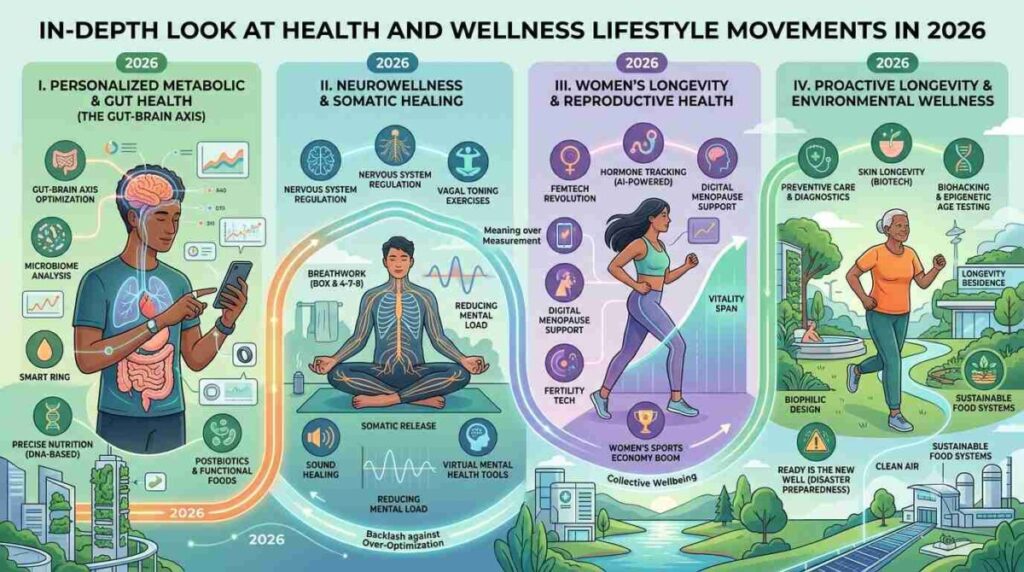

The year 2026 marks significant shifts in health and wellness lifestyle movements worldwide, driven by evolving consumer preferences and growing awareness of preventive health. These movements are increasingly driven by a combination of scientific research, technological advancements, and a desire for sustainable well-being that addresses not only physical health but also emotional and social dimensions. This in-depth analysis explores emerging trends, expert perspectives, and the increasingly important roles of data and community-driven initiatives in shaping wellness. The Indonesian experience provides a valuable lens on how these global movements are interpreted and implemented locally, highlighting both challenges and successes amid social, economic, and cultural diversity.
Emerging Health and Wellness Lifestyle Movements
The health and wellness landscape in 2026 is marked by a greater focus on holistic well-being, integrating physical, mental, social, and even environmental dimensions. Recognizing wellness as more than just the absence of illness, this comprehensive approach encompasses self-care practices, community engagement, and sustainable lifestyle choices that contribute to long-term vitality. Popular practices among Indonesians reflect this broad scope, embracing traditional and modern techniques as well as innovations that connect health with nature and social harmony.
Popular Wellness Practices Among Indonesians
In Indonesia, wellness movements continue to merge cultural heritage with contemporary health trends. Practices such as yoga, meditation, and herbal remedies coexist with newer trends like plant-based diets and digital health monitoring. Increased urban wellness spaces have become hubs for fitness, mindfulness, and social connection, providing environments that foster both individual well-being and community support. Moreover, the younger demographic exhibits a strong inclination toward personalized wellness experiences, leveraging technology and social media platforms to access health information and vibrant online communities. Additionally, there is growing attention to environmental wellness, with initiatives encouraging eco-friendly habits and the creation of green spaces that improve urban living conditions. These practices indicate a move towards self-empowerment in managing personal health and a desire to maintain balance amid fast-paced lifestyles and urbanization challenges such as pollution and limited access to natural environments.
Expert Opinions on Lifestyle and Health
Health lifestyle expert opinions emphasize the importance of sustainable habits and the integration of behavioral science in promoting lasting health outcomes. They suggest that successful wellness initiatives combine evidence-based strategies with culturally sensitive adaptations that consider local customs and social norms. Experts highlight the complex interplay of genetics, environment, and individual choices in shaping health trajectories, underscoring the need for multidimensional interventions.
Health Professionals on Lifestyle Choices
Indonesian health professionals advocate for culturally sensitive health promotion strategies that resonate with local values and social norms. They underscore that while global wellness trends offer valuable insights, adapting these to Indonesia’s diverse population requires nuanced understanding. Public health experts also stress the importance of early intervention and routine health screenings as pivotal to preventing lifestyle-related diseases. Moreover, the integration of mental health into the wellness discourse is increasingly recognized as vital, reflecting a broader shift toward inclusive health frameworks that address stress, anxiety, and community resilience. Behavioral science plays a growing role in designing interventions that promote habit formation and sustained lifestyle change, tailoring approaches to individual motivations and cultural contexts. This expert guidance supports wellness programs that are engaging, accessible, and aligned with the lived realities of different communities.
Background Data on Lifestyle Health Impacts
Reliable data on the impacts of lifestyle choices is crucial in designing effective health policies and individual wellness plans. Recent statistics underscore the growing burden of lifestyle-related diseases such as diabetes, cardiovascular conditions, and mental health disorders both globally and in Indonesia. Collecting and analyzing this data informs targeted interventions and resource allocation.
Data Trends in Lifestyle-Related Health Outcomes
Data collected over the past five years indicates rising rates of non-communicable diseases linked to sedentary lifestyles, poor nutrition, and stress. However, positive signs emerge from increasing participation in physical activity and wellness programs, particularly in urban centers where infrastructure supports such engagement. Indonesian health survey data reveals disparities in access to wellness resources between urban and rural populations, suggesting a need for targeted interventions to bridge gaps and address inequalities. Furthermore, the integration of wearable technologies and health apps is generating real-time health impact data, enhancing the potential for personalized interventions and community health surveillance. These technologies enable individuals to track their wellness journey and provide health professionals with valuable datasets to refine public health strategies.
Case Studies Demonstrating Wellness Trends
Examining real-life examples provides concrete insight into how wellness trends manifest and impact individuals and communities. Case studies from Indonesia illustrate the diversity of approaches and outcomes across different settings, portraying a rich tapestry of health initiatives.
Consumer Stories on Wellness Impact
One case study from a Jakarta-based community wellness initiative showcases how group fitness classes combined with nutritional education reduced risk factors for chronic diseases among participants. This program highlights the effectiveness of community engagement combined with practical knowledge in supporting lifestyle changes. Another study from Bali highlighted the role of traditional herbal medicine supplements integrated into modern fitness regimens in improving physical and mental well-being. Additionally, a wellness retreat in Yogyakarta incorporated mindfulness practices with environmental conservation efforts, demonstrating the growing connection between personal health and ecological stewardship. These narratives exemplify the benefits of blending local wisdom with evidence-based practices. They also emphasize the empowerment derived from community support and increased health literacy, enhancing the sustainability of lifestyle changes.
Role of Community and Government in Health Awareness
Community engagement and government campaigns are pivotal in advancing health awareness and promoting sustainable wellness lifestyles. In 2026, coordinated efforts among public agencies, civic groups, and private stakeholders will yield measurable improvements in population health metrics, underscoring the value of multi-sector partnerships.
Government Campaigns Promoting Healthy Living
The Indonesian government has launched multifaceted campaigns focusing on diet, physical activity, and mental health. These include school-based programs that encourage active lifestyles among youth, public service announcements on balanced nutrition, and initiatives to destigmatise mental health struggles. Collaborative efforts with community leaders ensure culturally appropriate messaging and increased participation. Moreover, government policies support the creation of public spaces conducive to physical activity and access to healthy food options. Initiatives aimed at capacity building and partnerships with private wellness providers are enhancing program reach and sustainability. These campaigns build a supportive environment that motivates individuals to adopt and maintain healthier lifestyles, reflecting a long-term vision for national well-being.
Conclusion
The health and wellness lifestyle movements of 2026 represent a dynamic convergence of tradition, innovation, and community empowerment. Expert insights underscore the necessity of culturally tailored approaches, combined with robust data, to guide effective interventions. Indonesian case studies reveal successful models that integrate local practices with modern wellness concepts, supported by proactive roles from government and communities. Moving forward, the continuous evolution of wellness trends will likely be shaped by advances in technology, a deeper understanding of behavioural sciences, and an increasing emphasis on environmental and social determinants of health. Collectively, these efforts hold promising pathways toward improving personal and public health outcomes globally, fostering a future where wellness is accessible, holistic, and sustainable.